In today’s hyper-connected business world, a powerful CRM based platform isn’t just a luxury—it’s a necessity. From streamlining customer interactions to boosting sales efficiency, the right system can transform your operations.
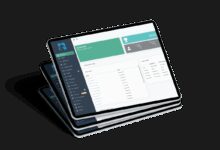
What Is a CRM Based Platform?

A CRM based platform is a centralized digital ecosystem designed to manage all your company’s interactions with current and potential customers. It collects data across multiple channels—like email, phone, social media, and websites—and organizes it into actionable insights. Think of it as the central nervous system of your customer-facing operations.
Core Definition and Functionality
At its heart, a CRM based platform tracks customer journeys from first contact to post-sale support. It enables businesses to store contact information, log communication history, manage leads, and automate follow-ups. This ensures no opportunity slips through the cracks and every customer feels personally valued.
- Centralizes customer data from various touchpoints
- Automates repetitive sales and marketing tasks
- Provides real-time analytics on customer behavior
According to Salesforce, the global leader in CRM, organizations using a CRM based platform see a 41% increase in sales productivity (Salesforce State of Sales Report).
Evolution from Traditional CRM to Modern Platforms
Early CRM systems were little more than digital address books. Today’s CRM based platform is a dynamic, cloud-powered engine capable of AI-driven forecasting, omnichannel engagement, and deep integration with ERP, marketing automation, and customer service tools.
- Legacy CRMs: On-premise, siloed, limited functionality
- Modern CRM platforms: Cloud-native, scalable, API-first architecture
- AI integration: Predictive lead scoring, sentiment analysis, chatbots
“CRM is no longer just a tool for sales teams—it’s the backbone of customer experience.” — Gartner Research
Top 5 CRM Based Platforms Revolutionizing Business
The market is flooded with CRM solutions, but only a few deliver true platform-level capabilities. These top five CRM based platforms combine scalability, customization, and intelligent automation to drive measurable business outcomes.
1. Salesforce: The Industry Titan
Salesforce remains the gold standard in CRM based platforms. With over 150,000 customers worldwide, it offers unmatched depth in sales, service, marketing, and commerce clouds.
- Strengths: Extensive app ecosystem (AppExchange), AI via Einstein Analytics, global support
- Best for: Enterprises and mid-sized businesses needing scalability
- Pricing: Starts at $25/user/month (Essentials), up to $300+/user/month (Unlimited)
Explore Salesforce’s full suite at salesforce.com.
2. HubSpot CRM: The All-in-One Growth Engine
HubSpot’s CRM based platform stands out for its user-friendly interface and seamless integration between marketing, sales, and service hubs.
- Strengths: Free CRM tier, intuitive UI, powerful automation workflows
- Best for: SMBs and startups focused on inbound growth
- Pricing: Free core CRM; paid tiers start at $45/month
HubSpot’s platform is ideal for companies embracing inbound methodology. Learn more at hubspot.com/products/crm.
3. Zoho CRM: The Affordable Powerhouse
Zoho CRM delivers enterprise-grade features at a fraction of the cost, making it a favorite among budget-conscious businesses.
- Strengths: AI assistant (Zia), multi-channel communication, strong customization
- Best for: Small to mid-sized businesses with global operations
- Pricing: Starts at $14/user/month, includes AI and automation
Zoho integrates with over 500 apps and offers a robust developer platform. Visit zoho.com/crm for details.
4. Microsoft Dynamics 365: The Enterprise Integrator
For organizations already embedded in the Microsoft ecosystem, Dynamics 365 offers a seamless CRM based platform experience.
- Strengths: Deep integration with Office 365, Power BI, and Azure AI
- Best for: Large enterprises using Microsoft infrastructure
- Pricing: Starts at $65/user/month, scales with modules
Dynamics 365 excels in complex sales cycles and service operations. More at dynamics.microsoft.com.
5. Pipedrive: The Sales-Focused Challenger
Pipedrive is built by salespeople, for salespeople. Its visual pipeline management makes it a top choice for sales-driven organizations.
- Strengths: Intuitive drag-and-drop interface, activity-based selling, mobile-first design
- Best for: Sales teams prioritizing pipeline visibility
- Pricing: Starts at $14.90/user/month
Pipedrive’s focus on simplicity and sales execution has earned it a loyal following. Check it out at pipedrive.com.
Key Features of a High-Performance CRM Based Platform
Not all CRM based platforms are created equal. The most effective ones share a set of core features that empower teams, enhance customer experiences, and drive revenue growth.
Lead and Contact Management
A robust CRM based platform automatically captures leads from web forms, emails, and social media, enriching them with demographic and behavioral data.
- Duplicate detection and merging
- Custom fields and segmentation
- Lead scoring based on engagement
This ensures sales teams focus on high-potential prospects, increasing conversion rates.
Sales Pipeline Automation
Visual sales pipelines allow managers to track deals across stages, forecast revenue, and identify bottlenecks.
- Drag-and-drop deal movement
- Automated reminders and follow-ups
- Customizable stages and probability settings
“Companies using sales automation see a 10% increase in revenue within 6-9 months.” — Nucleus Research
Marketing Integration and Campaign Tracking
Modern CRM based platforms integrate with email marketing, social media, and advertising tools to deliver personalized campaigns.
- Automated email sequences
- Landing page builders
- UTM tracking and ROI analysis
HubSpot, for example, allows you to create a full inbound funnel within its CRM based platform ecosystem.
Benefits of Implementing a CRM Based Platform
Deploying a CRM based platform is more than a tech upgrade—it’s a strategic shift that impacts every customer-facing department.
Improved Customer Relationships
With a 360-degree view of each customer, teams can deliver personalized experiences at scale.
- Access to past interactions and preferences
- Proactive service based on behavior patterns
- Reduced response times through automation
According to SuperOffice, 82% of companies report improved customer satisfaction after CRM implementation.
Increased Sales Efficiency
Sales teams spend less time on admin and more time selling. Automation handles data entry, follow-ups, and reporting.
- Auto-logging calls and emails
- AI-powered next-best-action suggestions
- Real-time performance dashboards
This leads to faster deal closures and higher win rates.
Enhanced Data-Driven Decision Making
A CRM based platform turns raw data into actionable insights through dashboards and reports.
- Forecast accuracy improves by up to 40%
- Identify top-performing channels and reps
- Spot trends in customer churn or upsell opportunities
Tools like Salesforce Analytics Cloud and Zoho Analytics make data accessible to non-technical users.
How to Choose the Right CRM Based Platform for Your Business
Selecting the ideal CRM based platform requires careful evaluation of your business needs, team size, and long-term goals.
Assess Your Business Size and Complexity
Small businesses may thrive with lightweight, affordable options like Zoho or Pipedrive, while enterprises need the scalability of Salesforce or Dynamics 365.
- SMBs: Prioritize ease of use and quick setup
- Mid-market: Look for automation and integration capabilities
- Enterprises: Require security, compliance, and API extensibility
Consider future growth—your CRM should scale with you.
Evaluate Integration Capabilities
A CRM based platform must connect with your existing tools: email, calendar, ERP, e-commerce, and support systems.
- Check native integrations (e.g., Gmail, Outlook, Shopify)
- Assess API availability for custom connections
- Look for pre-built connectors on platforms like Zapier
For example, HubSpot offers over 1,000 integrations, making it highly adaptable.
Consider User Adoption and Training
The best CRM based platform fails if teams don’t use it. Prioritize intuitive design and strong onboarding support.
- Free training resources and certifications
- Mobile app availability
- Customer support responsiveness
Salesforce Trailhead and HubSpot Academy offer free, gamified learning paths.
Common Challenges and How to Overcome Them
Even the best CRM based platform can face implementation hurdles. Recognizing these early helps ensure success.
Data Migration and Quality Issues
Transferring data from legacy systems often leads to duplicates, missing fields, or outdated records.
- Conduct a data audit before migration
- Use ETL (Extract, Transform, Load) tools
- Assign a data steward to maintain hygiene
Tools like Talend and Astera can streamline the process.
Resistance to Change
Employees may resist adopting a new CRM based platform due to fear of complexity or added workload.
- Involve users in the selection process
- Provide hands-on training and incentives
- Start with a pilot team before full rollout
“User adoption is the #1 predictor of CRM success.” — CIO Magazine
Underutilization of Features
Many companies use only 30-40% of their CRM’s capabilities, missing out on automation and analytics.
- Schedule quarterly feature review sessions
- Appoint a CRM champion in each department
- Leverage vendor webinars and documentation
Maximizing feature usage can double ROI over time.
Future Trends Shaping CRM Based Platforms
The CRM based platform landscape is evolving rapidly, driven by AI, automation, and changing customer expectations.
AI and Predictive Analytics
AI is no longer a buzzword—it’s a core component of modern CRM systems.
- Predictive lead scoring identifies high-conversion prospects
- Natural language processing (NLP) analyzes customer sentiment
- Chatbots handle routine inquiries 24/7
Salesforce Einstein and Zoho Zia are leading this charge.
Omnichannel Customer Engagement
Customers expect seamless experiences across email, phone, chat, social media, and in-person.
- Unified communication logs
- Context-aware support routing
- Consistent messaging across channels
CRM based platforms like HubSpot and Zendesk are building unified engagement layers.
Hyper-Personalization at Scale
With data from CRM, businesses can deliver personalized content, offers, and recommendations.
- Dynamic email content based on behavior
- Product suggestions using purchase history
- Automated birthday or anniversary messages
This level of personalization boosts retention and lifetime value.
What is a CRM based platform?
A CRM based platform is a comprehensive software system that manages all customer interactions, from lead generation to post-sale support. It centralizes data, automates workflows, and provides insights to improve customer relationships and drive sales.
Which CRM based platform is best for small businesses?
HubSpot CRM and Zoho CRM are top choices for small businesses due to their affordability, ease of use, and robust free tiers. Both offer essential features like contact management, email tracking, and automation.
How much does a CRM based platform cost?
Prices vary widely: free options like HubSpot CRM exist, while enterprise solutions like Salesforce can cost $300+ per user per month. Most platforms offer tiered pricing based on features and user count.
Can a CRM based platform integrate with other tools?
Yes, most modern CRM based platforms offer extensive integration capabilities via APIs, native connectors, or third-party tools like Zapier. This allows seamless data flow between CRM, email, marketing, and support systems.
How long does it take to implement a CRM based platform?
Implementation time ranges from a few days for simple setups to several months for complex enterprise deployments. Factors include data migration, customization, training, and integration needs.
Choosing the right CRM based platform is a strategic decision that can redefine how your business engages with customers. From boosting sales efficiency to enhancing customer satisfaction, the benefits are clear. By understanding your needs, evaluating top options, and planning for adoption, you can unlock the full potential of your customer data. The future of business is customer-centric—and a powerful CRM based platform is your most valuable ally in that journey.
Recommended for you 👇
Further Reading:
